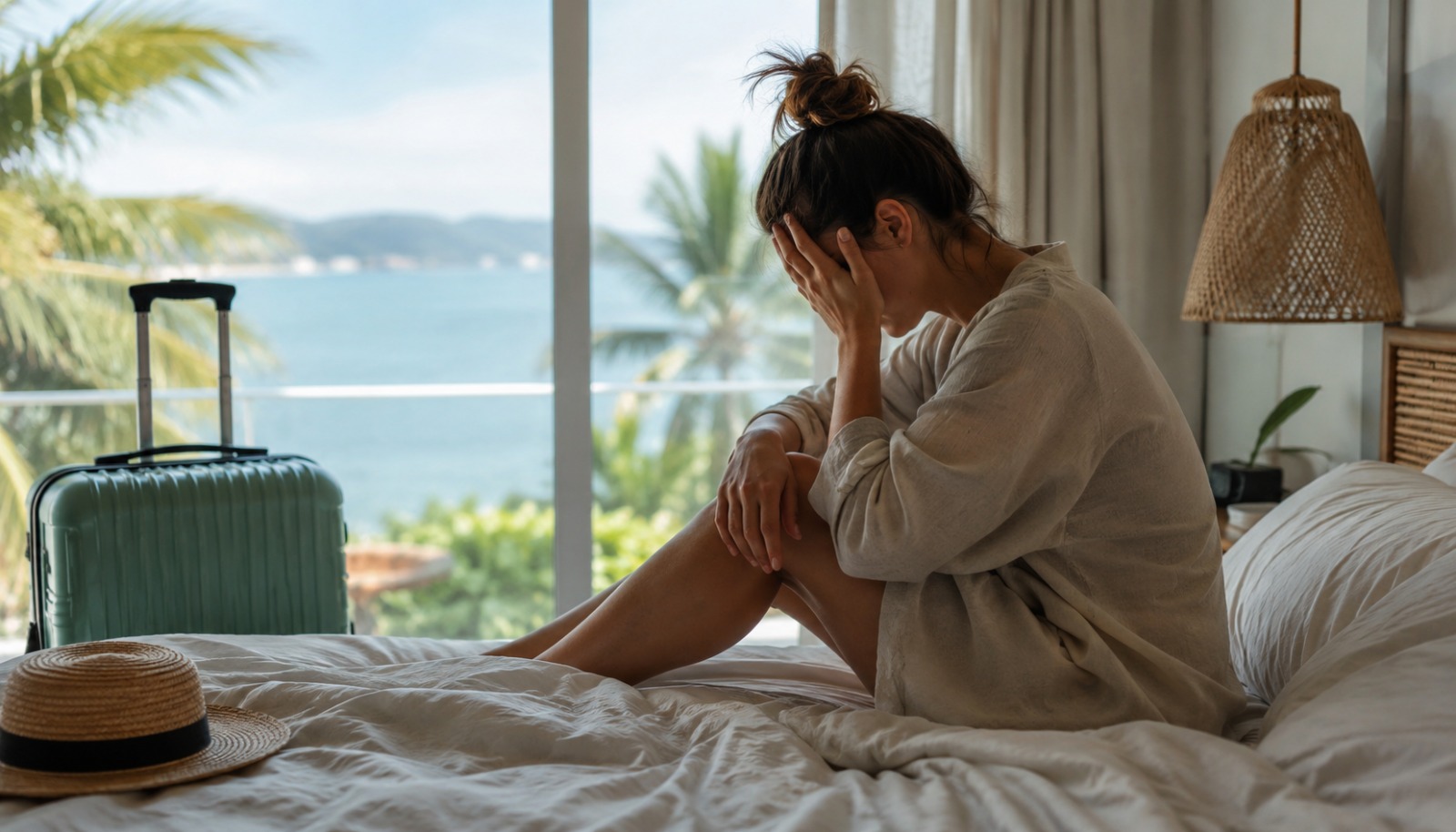
You planned your holiday for months.
You finally escaped your daily routine, visited beautiful places, enjoyed good food, and took plenty of time away from work. You expected to come home feeling refreshed.
Instead, you feel... exhausted.
If you've been wondering, "Why am I so tired after a holiday?" you're not alone. Many people experience post-holiday fatigue, leaving them feeling physically drained, mentally foggy, or emotionally depleted even after what was supposed to be a relaxing break.
It can feel confusing, but there's often a simple explanation.
Your body may be asking for a different kind of rest.
A Holiday Isn't Always the Same as Recovery
Vacations are often filled with exciting experiences.
You may spend long days exploring new places, walking far more than usual, trying different foods, staying out later than you normally would, or constantly taking in new sights and sounds.
Even when you're having fun, your brain and body are still processing a great deal.
A holiday may give you a break from work, but it doesn't always give your nervous system the opportunity to fully recover.
Why You Feel Tired After Traveling
Several factors can contribute to feeling more exhausted after your trip than before you left.
These include:
- Long flights and airport stress
- Changes in your sleep schedule or jet lag
- Walking much more than usual
- Dehydration
- Rich food and increased alcohol consumption
- Constant sensory stimulation
- A busy travel itinerary with little downtime
Each of these places additional demands on your body.Combined, they can leave you feeling surprisingly fatigued once the excitement wears off.
Your Nervous System May Still Be in "Go Mode"
Many people spend months living with chronic stress without fully realizing it.
Work deadlines, family responsibilities, financial pressures, and constant digital notifications can keep the nervous system in a heightened state of alertness.
When you're constantly solving problems or thinking about what's next, your body doesn't automatically switch into relaxation just because you're on holiday.
In fact, it may take several days before your nervous system begins to slow down.
This is why some people notice they feel unusually tired, emotional, or even develop a minor illness during or shortly after their vacation. Once the body feels safe enough to relax, it may finally begin releasing the tension it has been carrying.
The Difference Between Relaxation and Deep Rest
Relaxation and recovery aren't always the same thing.
Watching the sunset, enjoying a nice meal, or spending time at the beach can certainly help you unwind. However, if your body has been under prolonged stress, it may also need moments of intentional stillness.
Practices that encourage deeper restoration include:
- Gentle breathwork
- Meditation
- Time in nature without distractions
- Restorative yoga
- Qigong
- Sound Therapy
- Reiki
- Mindful journaling
- Quiet moments away from screens
These activities help activate the parasympathetic nervous system, often referred to as the body's "rest and restore" mode. This is where recovery, repair, and emotional regulation naturally occur.
Sometimes the Tiredness Is Emotional
Not all exhaustion is physical.
Many people carry emotional stress without noticing it. Perhaps you've spent months supporting others, making important decisions, or simply trying to keep everything together.
A holiday can provide a welcome distraction, but it doesn't always create space to process those emotions.
When life finally slows down, feelings that have been pushed aside may begin to surface. This can feel like tiredness, a lack of motivation, unexpected tears, or simply a desire to rest more than usual.
Rather than seeing this as a setback, it can be a sign that your mind and body are asking for attention.
How to Truly Recharge
If you're feeling tired after your holiday, resist the urge to jump straight back into a busy routine.
Instead, give yourself permission to ease back into daily life.
Simple practices can make a meaningful difference:
- Prioritize quality sleep.
- Drink plenty of water.
- Eat nourishing meals.
- Spend a little time outdoors.
- Limit screen time where possible.
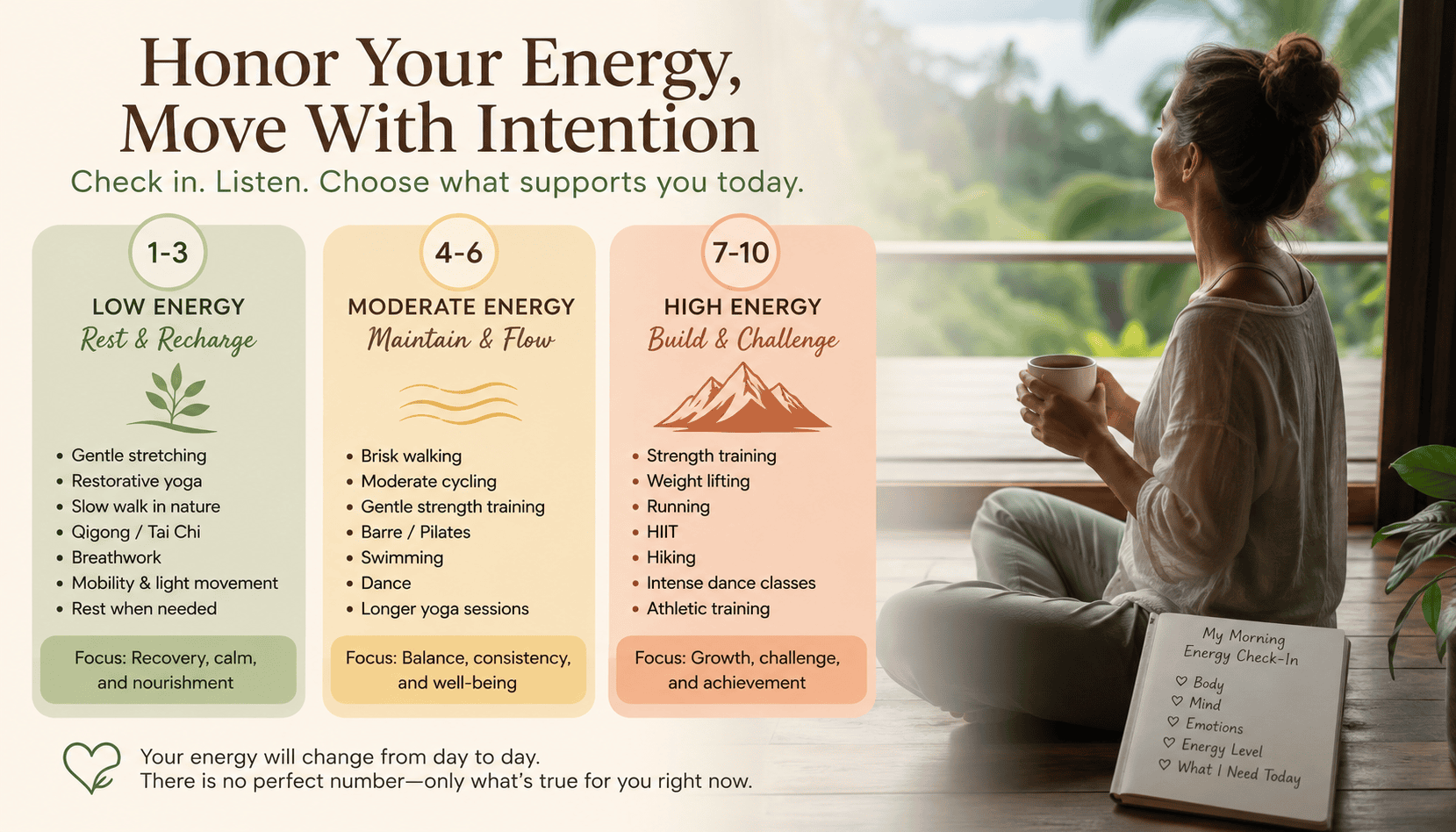
- Practice gentle movement instead of intense exercise if your body feels depleted.
- Create quiet moments each day to simply breathe and slow down.
Sometimes, recovery continues after the holiday has ended.
Listen to What Your Body Needs
Feeling tired after a holiday doesn't necessarily mean your vacation failed.
It may simply mean your body is asking for a deeper kind of rest—one that goes beyond sightseeing, entertainment, or escaping your daily routine.
Recovery isn't about doing more. Sometimes, it's about giving yourself permission to do less.
When you begin listening to what your body truly needs, you may discover that the most restorative part of any journey isn't the destination itself—it's finally allowing yourself to slow down.